The Future of Banking Isn’t What You Think
From fintech to crypto payments—here’s what’s really changing
Beyond the Bank
Trivia Question❓In Beyond Traditional Banking, what is the term used to describe the practice of using technology and innovation to provide financial services outside of the traditional banking methods? Answer at the bottom of the newsletter |
Visa has announced a partnership with the blockchain technology company, Wefi, to create a stablecoin that allows users to make everyday transactions. The stablecoin, known as USDC, will be issued by Circle, a cryptocurrency finance company that is backed by Visa. This partnership aims to provide a more efficient and cost-effective way for consumers to use stablecoins for everyday purchases, as well as to increase the adoption of digital currencies in the mainstream financial sector. USDC is a digital currency that is backed by the US dollar at a 1:1 ratio, making it a stable and secure form of cryptocurrency. By partnering with Wefi, Visa hopes to leverage the company's blockchain expertise to improve the stability and liquidity of USDC. This collaboration will also enable users to store and transfer USDC through Visa's network of merchants and payment processors, making it easier for consumers to use stablecoins for transactions. The partnership between Visa and Wefi represents a significant step towards mainstream adoption of digital currencies in the traditional financial sector. By offering a stablecoin that is backed by a major financial institution like Visa, consumers can have more confidence in using digital currencies for everyday purchases. This collaboration also highlights the growing interest and investment in blockchain technology by major companies in the financial industry. Overall, the partnership between Visa and Wefi to create a stablecoin for everyday transactions demonstrates the potential for digital currencies to revolutionize the way we make payments and conduct financial transactions. This collaboration could pave the way for more mainstream adoption of stablecoins and other forms of digital currency in the future. |
| Read More... |

The Future of Financial Services: Embracing Technology, Innovation, and Sustainability for a Customer-Centric Experience. |
Beyond banking refers to the evolving landscape of financial services that go beyond traditional banking activities. This includes the integration of technology, innovation, and personalized services to meet the changing needs of customers in the digital age. Financial institutions are increasingly looking to the future to stay competitive and relevant in an ever-changing market. This involves exploring new avenues such as blockchain technology, artificial intelligence, and digital platforms to enhance customer experience and streamline operations. By harnessing these technologies, financial institutions can offer more tailored solutions, improve efficiency, and provide a seamless banking experience for customers. This not only benefits the customers but also allows institutions to better manage risks and optimize their operations. Furthermore, beyond banking also includes a focus on sustainable finance and ethical investing, where institutions are starting to prioritize environmental, social, and governance (ESG) factors in their decision-making processes. This shift reflects a growing awareness of the impact of financial decisions on society and the environment. In conclusion, the future of banking is beyond traditional banking practices, as institutions embrace technology and innovation to better serve their customers and adapt to changing market demands. This shift towards a more customer-centric, sustainable, and technologically advanced financial future is shaping the way financial institutions operate and interact with customers in the digital era. |
Quote Of The Day |
"Success is not the key to happiness. Happiness is the key to success. If you love what you are doing, you will be successful." - Albert Schweitzer |
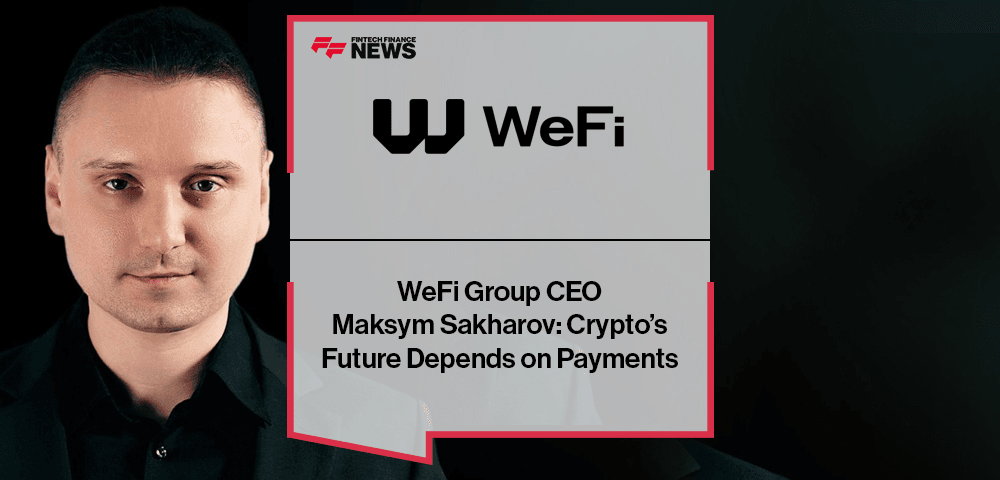
In the article, Maksym Sakharov, the CEO of Wefi Group, discusses the future of cryptocurrencies and how it depends on their functionality in payments. Sakharov believes that for cryptocurrency to truly succeed, it needs to become widely accepted for everyday transactions and payments. He highlights the importance of user experience and convenience in driving adoption of cryptocurrencies as a payment method. Sakharov also emphasizes the need for regulatory clarity and proper infrastructure to support the integration of cryptocurrencies into mainstream payments systems. Overall, Sakharov argues that the future of cryptocurrencies hinges on their ability to become a practical and efficient means of conducting transactions, rather than purely speculative investments. He encourages businesses and users to embrace and explore the potential of cryptocurrencies in driving innovation and transforming the financial landscape. |
| Read More... |
Interesting Facts |
|

The article discusses the rise of neobanks and their disruptive impact on the financial industry. Neobanks are leveraging open financial infrastructure to offer innovative and customer-centric services, challenging traditional banks. By 2026, neobanks are projected to capture a significant share of the market, providing higher yield opportunities for customers. This shift is driven by the adoption of technology, regulatory changes, and evolving customer preferences. Traditional banks must adapt to this changing landscape to remain competitive in the future. |
| Read More... |
The article discusses the top fintech trends that are shaping the industry heading into 2026. One major trend is the rise of decentralized finance (DeFi) platforms, which are gaining popularity due to their ability to provide traditional financial services through blockchain technology. Another trend is the increasing use of artificial intelligence (AI) and machine learning in fintech, enabling companies to better analyze data, detect fraud, and personalize customer experiences. Additionally, there is a growing focus on sustainability in fintech, with companies incorporating environmental, social, and governance (ESG) factors into their decision-making processes. The article also highlights the importance of regulatory technology (regtech) in ensuring compliance with evolving regulations and reducing financial risks. Fintech companies are also embracing open banking, which allows for greater collaboration and innovation within the industry. Overall, these trends indicate a continued evolution of the fintech industry towards more advanced technologies, greater focus on sustainability, and increased collaboration among financial institutions. |
| Read More... |
Interesting Facts |
|
The article discusses the findings of a study conducted by Simon-Kucher & Partners on the growth and potential of neobanks. Neobanks are online-only financial institutions that are gaining popularity due to their digital-first approach and innovative services. The study found that neobanks have been successful in attracting younger, tech-savvy customers who value convenience and user-friendly interfaces. However, the study also highlighted several challenges that neobanks face, including fierce competition, high customer acquisition costs, and the need to establish trust and credibility in the market. As a result, neobanks will need to focus on offering unique value propositions, improving customer experience, and building brand awareness in order to differentiate themselves from traditional banks. The study also emphasized the importance of personalized and tailored services in attracting and retaining customers. Overall, the findings suggest that neobanks have the potential to disrupt the traditional banking landscape, but they will need to navigate various obstacles and continuously innovate in order to succeed in the long run. |
| Read More... |
💡 Answer to Trivia Question: Fintech (Financial Technology) |