
FedNow Turns Three. Why Your Bank Transfers Still Aren't Instant |
More than 1,800 banks and credit unions now use the Fed's instant payment system, yet Americans use instant payments far less than people in Brazil or India. A new Fed study explains why. |
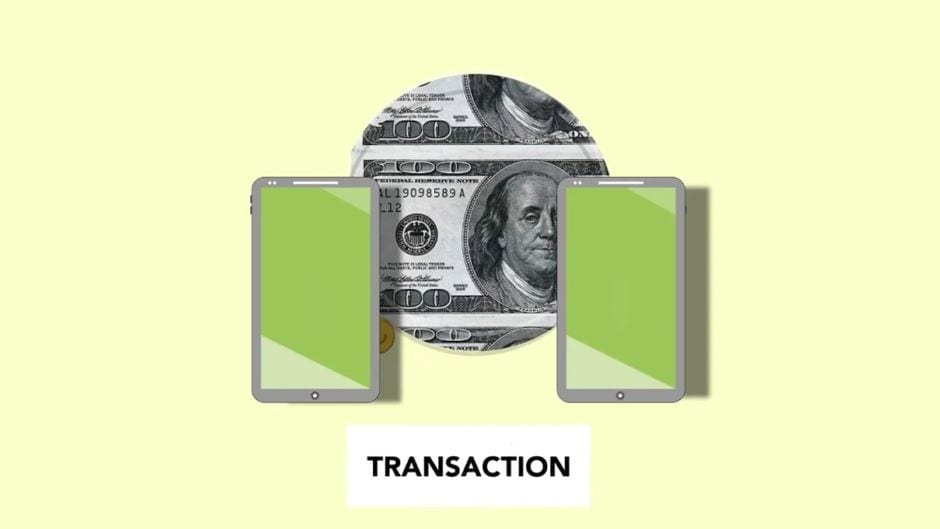
In Brazil, people pay for coffee with instant bank transfers. In the U.S., moving money between your own accounts can still take two or three business days. That gap is the subject of a new Federal Reserve study.
What FedNow is FedNow is the Federal Reserve's instant payment service. It launched in July 2023 and lets money move between banks in seconds, any time of day, every day of the year. The receiving bank gets final funds immediately, not a promise that money is on the way.
It isn't an app. It's plumbing that banks and credit unions build into their own apps. If your bank hasn't joined, or hasn't turned on the feature, you won't see it.
FedNow competes with a private network called RTP, run by The Clearing House, a company owned by large banks. RTP launched in 2017.
Three years in As of July, more than 1,800 financial institutions were live on FedNow, the Fed's financial services arm said.
An August Richmond Fed economic brief by Zhu Wang and Vinh Phan found that in the first quarter of 2026, FedNow had 1,725 participating banks and credit unions, about 19.7% of U.S. institutions. RTP had about 13.6%. Many institutions use both.
The two networks are used very differently. RTP handled about 128 million transactions a quarter, averaging about $3,750 each. FedNow handled about 2.7 million, averaging nearly $100,000, which suggests businesses use it for large payments such as real estate closings, insurance payouts and payroll. Both networks raised their per-payment limit to $10 million in 2025. |
 São Paulo, Brazil. Photo by Jean Gois on Pexels |
Why the U.S. lags The comparison with other countries is striking. In 2023, people in Brazil made about 27 instant payments per person each month, and in India about 11, according to the brief. In the U.S., the figure in early 2026 was about 0.12, combining both networks.
The authors point to two reasons.
Americans already have "instant-feel" options. Zelle, Venmo, debit card transfers and same-day ACH make payments feel fast, even when the actual settlement between banks happens later. That reduces demand for true real-time rails.
Old systems are deeply rooted. Countries like Brazil and India jumped straight to instant payments because they had less legacy infrastructure, an effect economists call leapfrogging. In the U.S., card networks and the ACH system are deeply embedded, so new rails get added on top rather than replacing them.
Why it matters Instant payments matter most to people living close to the edge. Waiting two days for a paycheck or a transfer can mean an overdraft fee or a late payment. Faster settlement can help small businesses get paid sooner and manage cash flow. Gig workers and freelancers, who often wait days for payouts, stand to gain too.
FedNow also gives smaller banks and credit unions a way into instant payments without relying on a network owned by their biggest competitors. The Richmond Fed authors see it as a possible backbone for U.S. real-time payments over the long term, but they note its success depends on banks modernizing their systems.
There's a caution, too. Instant payments are final. If you send money to a scammer, there is no window to stop the transfer, so the usual advice applies doubly: verify who you're paying before you hit send.
What you can do Ask your bank or credit union whether it offers instant transfers through FedNow or RTP, and whether there's a fee. Some banks offer instant payment only for business accounts or for receiving money, not sending it. NerdWallet keeps a public list of banks that have joined FedNow.
What to watch Watch whether large consumer banks switch on FedNow for everyday customers, and whether pay-by-bank options start showing up at checkout.
Sources: Richmond Fed Economic Brief No. 26-28 (Aug. 26) · FRB Services (July 15) · Federal Reserve FedNow FAQ
Beyond the Bank is for informational purposes only and is not financial, legal, or investment advice. |
Get Beyond the Bank in your inbox every Monday. A free, plain-English briefing on AI, banking alternatives and the new rails under your money. Read the latest issue or subscribe free. |
0 Comments
Join the conversation
Be the first to comment
Share your thoughts above.