The Fintechs Are Becoming Banks: 30-Plus Firms Sought U.S. Charters in 2026 |
Revolut, Nubank, Mercury and Upstart are among the companies trying to go from renting a bank to being one. Here's what changes for customers. |
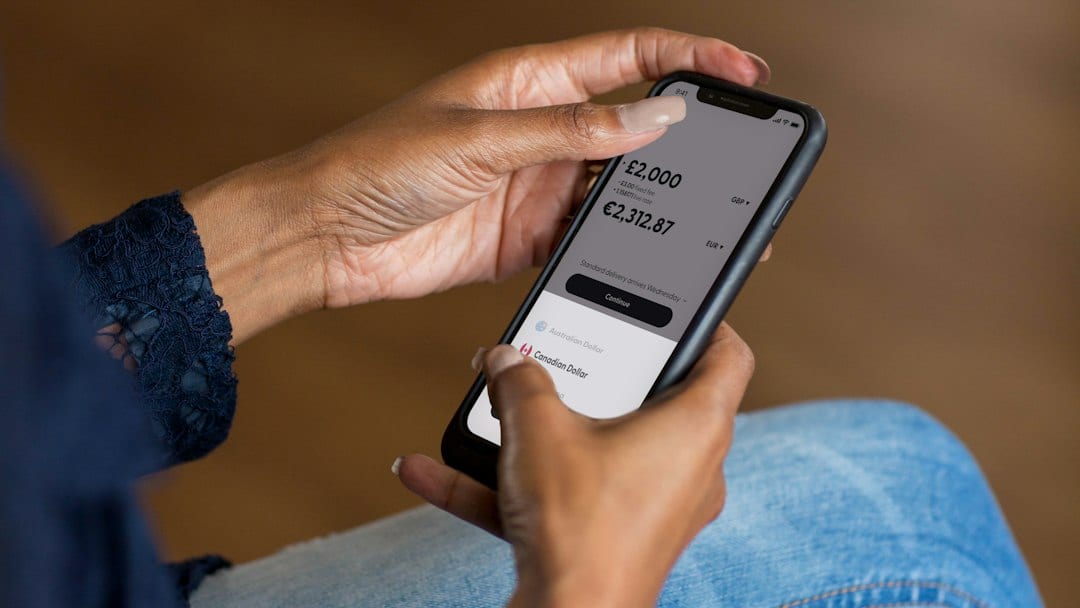
For most of the last decade, the typical fintech app wasn't a bank. It was a slick front end sitting on top of a small partner bank that actually held your money. In 2026, a growing number of those companies decided to cut out the middleman.
According to an American Banker charter tracker last updated October 2, more than 30 neobanks, lenders, payment companies and digital-asset firms have gone through the U.S. bank charter process this year. Only two have been granted full charters so far. Most of the rest hold conditional approvals or are still waiting, and at least one was denied. Nearly all applied to the Office of the Comptroller of the Currency (OCC), which issues national charters.
Who's in line The biggest name is Revolut. The U.K.-based app announced on September 3 that it received conditional OCC approval for a U.S. national bank. It still needs sign-off from the FDIC and the Federal Reserve, plus final OCC approval, before it can open. Revolut says it plans to offer loans, credit cards and FDIC-insured deposits in the U.S.
Others with conditional approval this year include Brazil-based Nubank (January), business-banking app Mercury (April), AI lender Upstart (July) and credit card company Mission Lane (September). Dutch neobank Bunq was denied in August.
A separate wave of payments and digital-asset companies is seeking national trust charters, a narrower license generally focused on custody and payment services rather than taking insured deposits. |
 Illustrative photo. Photo by Tranmautritam on Pexels |
Why fintechs want their own charters Owning a charter changes the economics. A chartered bank can hold deposits directly, lend against them, and connect to the Federal Reserve's payment systems without paying a partner bank for every step. It also removes a single point of failure.
That last part matters. In 2024, the bankruptcy of Synapse, a middleware company that connected fintech apps to their partner banks, left many customers unable to reach their money for months while records were sorted out. Partner-bank arrangements have been under heavy regulatory scrutiny ever since.
The catch A charter comes with the full weight of bank regulation: capital requirements, regular exams, consumer-protection rules and, for insured banks, FDIC oversight. Some fintechs will find that a bank's compliance costs eat into the advantages that made them nimble in the first place.
And a conditional approval is not an open bank. Applicants usually have to raise capital, finish their systems, and clear the FDIC and Federal Reserve before they can take a single deposit.
Why it matters The line between "bank" and "banking app" is blurring. That's good news for competition, and it could mean more products, better rates and fewer fragile middle layers between you and your money. It also means traditional banks face rivals that were built mobile-first and are now playing by the same rules.
What you can do Know whether the app holding your money is a bank or just works with one. Look in the app's fine print for a line like "banking services provided by [name] Bank, Member FDIC," then confirm that bank in the FDIC's BankFind tool. If your app gets its own charter, expect a notice about your account moving to the new bank, and read it.
What to watch Whether Revolut and Nubank clear their FDIC and Federal Reserve approvals, and how quickly the OCC turns conditional approvals into open banks.
Sources: American Banker charter tracker · PYMNTS on Revolut · FDIC BankFind
Beyond the Bank is for informational purposes only and is not financial, legal, or investment advice. |
Get Beyond the Bank in your inbox every Monday. A free, plain-English briefing on AI, banking alternatives and the new rails under your money. Read the latest issue or subscribe free. |
0 Comments
Join the conversation
Be the first to comment
Share your thoughts above.