
Regulators Narrow What Counts as 'Unsafe' Banking |
New OCC and FDIC rules take effect Nov. 2, telling bank examiners to focus on real financial risk and leave reputation out of it. |
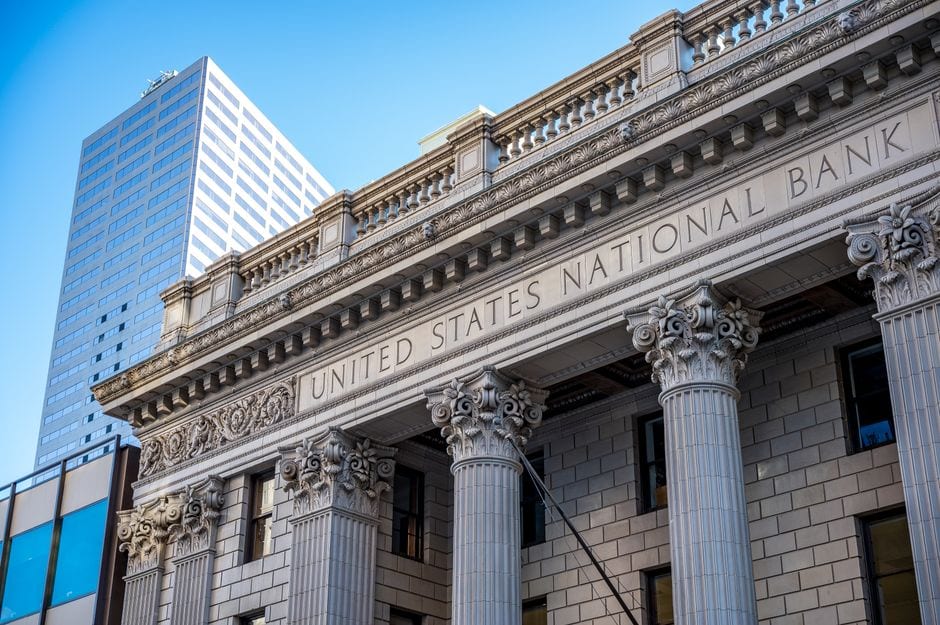
For decades, the phrase "unsafe or unsound practice" has been one of the most powerful tools a bank regulator has, and one of the vaguest. On November 2, that changes.
The Office of the Comptroller of the Currency (OCC) and the Federal Deposit Insurance Corporation (FDIC) published a final rule in the Federal Register on September 1 that, for the first time, writes down what the term means. It also sets limits on when examiners can issue a Matter Requiring Attention (MRA), the formal finding that tells a bank it must fix something.
What the rule says Under the new definition, a practice is unsafe or unsound only if it breaks prudent operating standards and either threatens to cause, or has already caused, material financial harm to the bank or a material risk to the Deposit Insurance Fund.
"Financial harm" is spelled out: damage to capital, asset quality, earnings, liquidity or sensitivity to market risk. Examiners can still issue MRAs at a lower bar, for practices that could reasonably be expected to cause that kind of harm, or for violations of banking law.
What's out: reputation. The rule says the standard does not include risks to a bank's reputation that are unrelated to its financial condition. |
 Illustrative photo. Photo by K Adams on Unsplash |
Why reputation is the headline "Reputation risk" has been at the center of a long political fight over banks closing accounts for customers that are legal but controversial, from firearms dealers to digital-asset companies. Critics argued that examiners used it to nudge banks away from customers without any financial reason. Taking reputation out of the safety-and-soundness standard removes that lever from the formal rulebook.
Smaller banks get more breathing room, too In a separate move, the Federal Reserve, FDIC and OCC issued an interim final rule in September that lets more small banks go 18 months between full exams instead of 12. The asset ceiling for that longer cycle doubles from $3 billion to $6 billion.
The agencies estimate about 188 more banks and savings associations, plus roughly 19 U.S. branches of foreign banks, become eligible, bringing the total to about 4,016 institutions. Only well-capitalized, well-rated banks without enforcement actions qualify. The change carries out Section 903 of the 21st Century ROAD to Housing Act, signed July 11, 2026.
Why it matters Supporters say examiners have spent too much time on process and paperwork and not enough on the risks that actually sink banks. A sharper definition should mean fewer subjective findings and more consistency from one exam to the next.
The trade-off is timing. Problems at a bank often look like process issues before they show up as losses. The Federal Reserve's own review of Silicon Valley Bank's 2023 failure found that supervisors had flagged weaknesses but did not push hard enough to get them fixed. A higher bar for formal findings could make it harder to act early.
What it means for your account Nothing changes about deposit insurance. FDIC coverage is still $250,000 per depositor, per insured bank, for each ownership category, as the FDIC explains in its deposit insurance guide. What changes is how regulators decide when a bank is in trouble.
What to watch Whether the Federal Reserve adopts a matching definition for the banks it supervises, and how examiners apply the new standard in the first exam cycles after November 2.
Sources: OCC/FDIC final rule · Exam-cycle rule · Fed SVB review · FDIC deposit insurance
Beyond the Bank is for informational purposes only and is not financial, legal, or investment advice. |
Get Beyond the Bank in your inbox every Monday. A free, plain-English briefing on AI, banking alternatives and the new rails under your money. Read the latest issue or subscribe free. |
0 Comments
Join the conversation
Be the first to comment
Share your thoughts above.