
Regulator Says Nine Big Banks Debanked Customers. What to Do if Your Account Is Closed |
The OCC says the largest U.S. banks restricted access based on politics, religion or lawful industries, and the CFPB is opening investigations. Here's what it means, and your options if a bank shows you the door. |
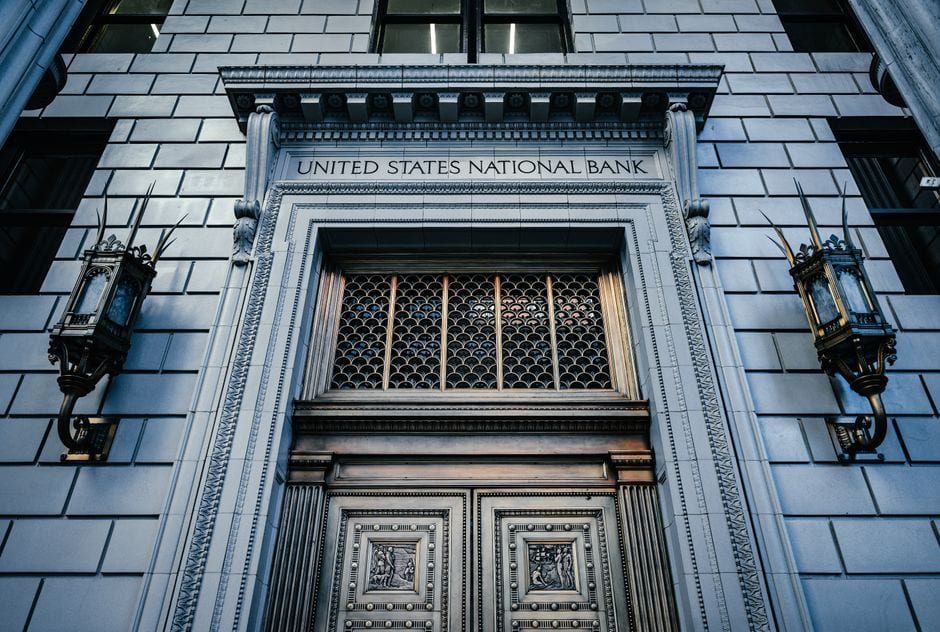
Getting a letter that says your bank is closing your account, with no real explanation, is jarring. A federal regulator now says it happened at the country's biggest banks for reasons that had little to do with financial risk.
What happened On October 14, the Office of the Comptroller of the Currency (OCC), which supervises national banks, released a 47-page report on debanking, the practice of closing accounts or refusing services to customers, Banking Dive reported. It follows a preliminary report released last December.
The review covers 2020 through 2025 and drew on nearly 100,000 complaints and about 420,000 pages of bank documents. It looked at the nine largest national banks the OCC supervises: JPMorgan Chase, Bank of America, Citibank, Wells Fargo, U.S. Bank, Capital One, PNC, TD Bank and BMO.
The OCC concluded those banks kept policies or practices that denied or restricted access based on customers' political or religious beliefs or their lawful business activities. According to the CFPB's summary, the industries most affected were firearms, oil and gas, and tobacco.
Examples from the report The cases cut across the political spectrum, Banking Dive noted. The OCC said JPMorgan repeatedly denied services to a conservative-leaning retailer from 2021 to 2023. It said TD denied a pandemic-era emergency loan to a nonprofit with an anti-immigration stance. And it said Capital One rejected an organization supporting reproductive rights after a risk employee flagged its political giving.
Comptroller Jonathan Gould called the evidence "irrefutable" and said the OCC will consider further changes to how it regulates and supervises banks.
The banks' side JPMorgan said its policies prohibit discrimination based on political or religious views, that the report cites a limited number of historical interactions, and that it has improved its practices. It also argued that years of regulators second-guessing banks pushed the industry toward caution. |
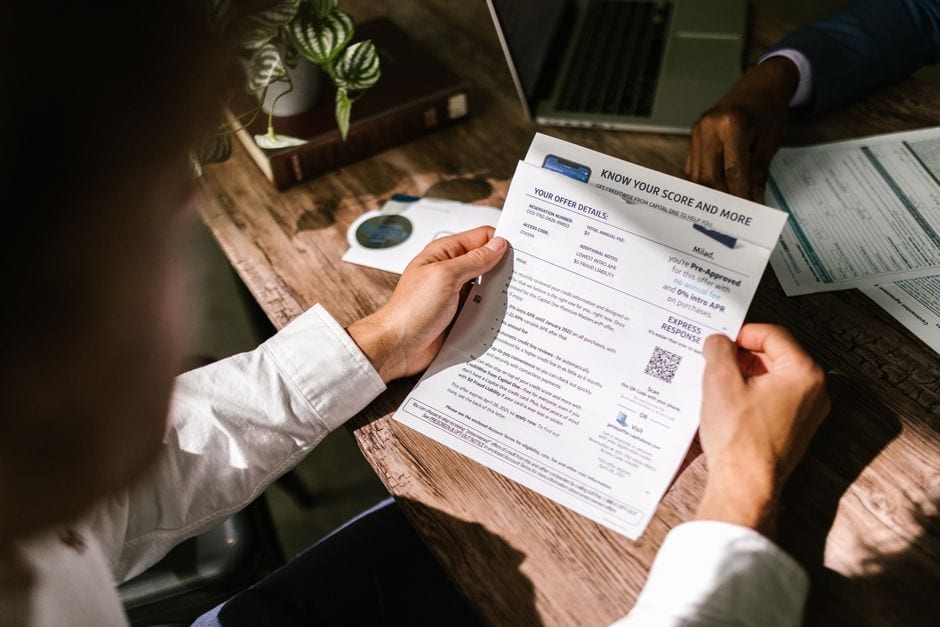 Illustrative photo. Photo by RDNE Stock project on Pexels |
The CFPB steps in The same day, the Consumer Financial Protection Bureau said it will investigate whether the nine banks, and others, complied with federal consumer financial laws. Those include the Equal Credit Opportunity Act, the Fair Credit Reporting Act's rules on notices when credit is denied, and the ban on unfair, deceptive or abusive practices. The CFPB said the work carries out Executive Order 14331, "Guaranteeing Fair Access to Banking for All Americans," signed in August 2025.
Why it matters For years, regulators told banks to manage reputation risk, the danger that serving a controversial customer could hurt the bank's image. Critics said that vague standard gave banks cover to drop lawful customers. Regulators are now pulling it out of the rulebook, as we covered in Regulators Narrow What Counts as 'Unsafe' Banking.
The debate isn't settled. Supporters of the crackdown say access to banking is close to a necessity and shouldn't hinge on politics. Others warn that pressure on banks to keep every customer could make it harder to cut off genuinely risky ones, and note that banks still must close accounts tied to fraud or money laundering. The report is also political: President Trump has sued JPMorgan and Capital One over similar claims, and those cases are pending.
What to do if your account is closed Ask for the reason in writing. For ordinary checking and savings accounts, banks usually aren't required to explain, but asking creates a record. If you were denied credit, federal law generally requires the lender to give you the reasons or tell you how to get them.
Move your money and payments quickly. Keep a backup account at a second institution, and update direct deposits and automatic payments before the closing date.
File a complaint. You can submit one to the CFPB, which says it is watching for debanking cases, or to the OCC through HelpWithMyBank.gov if your bank is a national bank.
Check your banking report. If a closure involved unpaid fees or overdrafts, it may show up on a ChexSystems report, which can affect new accounts. You're entitled to a free copy each year.
What to watch Watch for CFPB enforcement actions, any new OCC rules on fair access, and how the lawsuits against JPMorgan and Capital One play out.
Sources: Banking Dive (Oct. 14) · OCC news release (Oct. 14) · CFPB announcement (Oct. 14)
Beyond the Bank is for informational purposes only and is not financial, legal, or investment advice. |
Get Beyond the Bank in your inbox every Monday. A free, plain-English briefing on AI, banking alternatives and the new rails under your money. Read the latest issue or subscribe free. |
0 Comments
Join the conversation
Be the first to comment
Share your thoughts above.